Compute
Racks, storage and networking sized for your AI workloads. Bring your equipment or include it in the agreed scope.
We develop AI infrastructure with integrated cooling, power distribution and control. We bring compute requirements and suitable sites together, working with manufacturing and operations specialists.
EU framework: reporting on energy, water and renewables for data centres with at least 500 kW of installed IT power demand. See scope of the EU framework
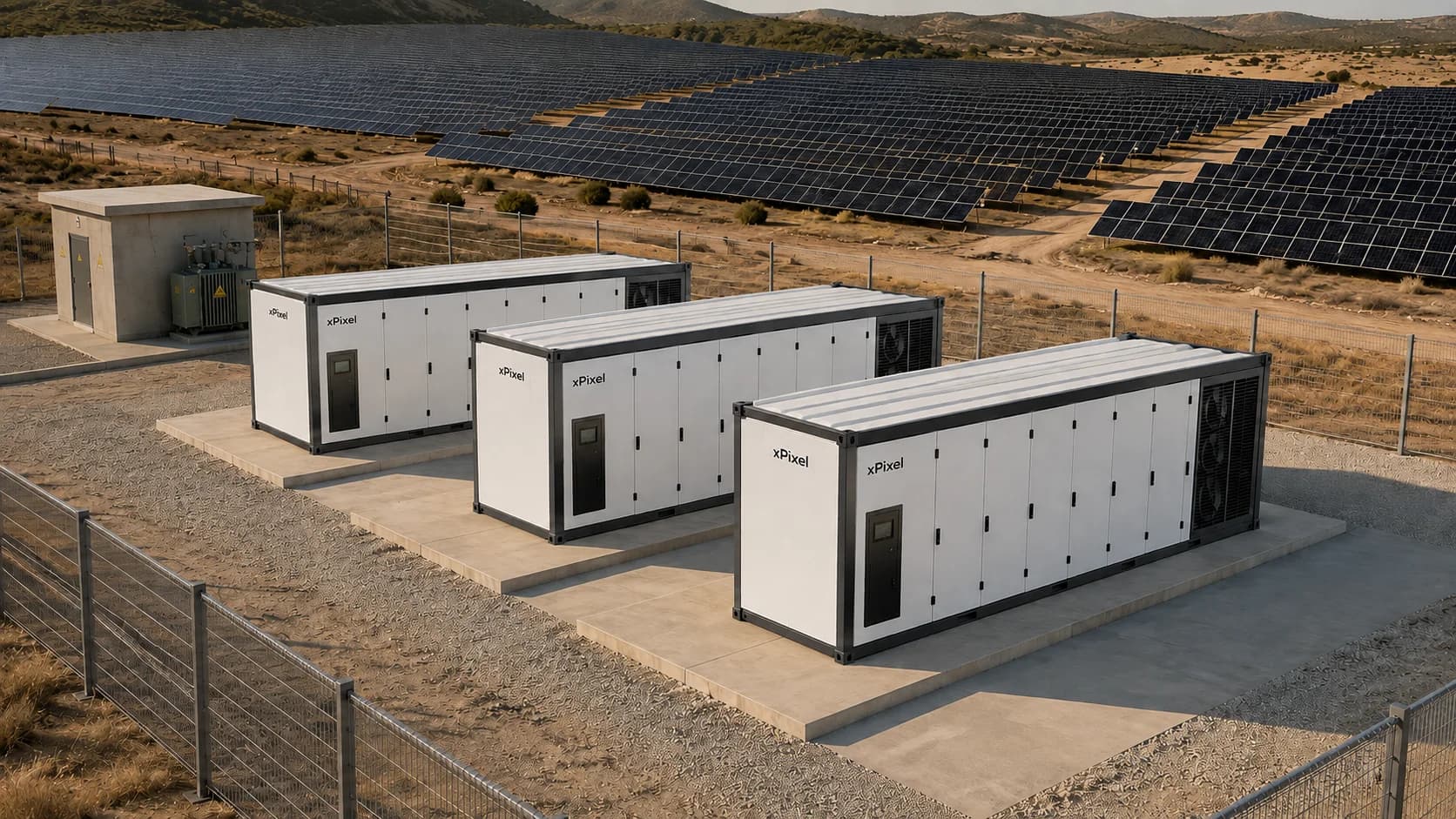
ComputeCell is our containerised data centre architecture. Each unit has its own cooling, electrical distribution and control systems. The site provides power, data connectivity and maintenance services.
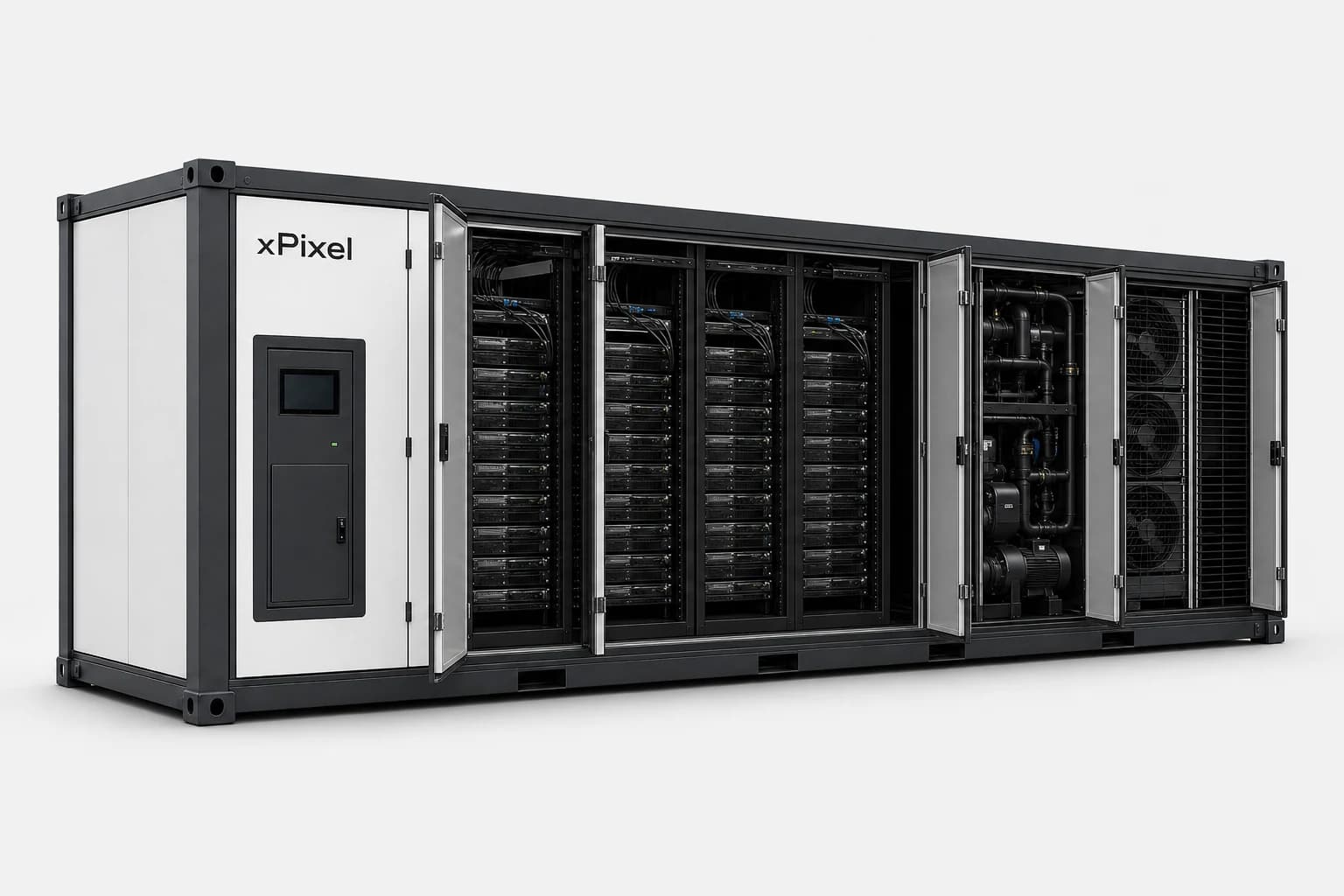
Racks, storage and networking sized for your AI workloads. Bring your equipment or include it in the agreed scope.
A dedicated liquid loop, thermal management and heat rejection. Each cell incorporates its own cooling system.
Integrated power distribution and protection. Backup and continuity are defined around your operational requirements.
Monitoring, alarms and maintenance access. A protected service interface for managing each unit.
Each ComputeCell connects independently to the site. Plan growth in phases and isolate individual units for maintenance. Site power and networking are sized to support that expansion.
Choose your starting point. We configure capacity around your workload, location and growth plans.
A compact start
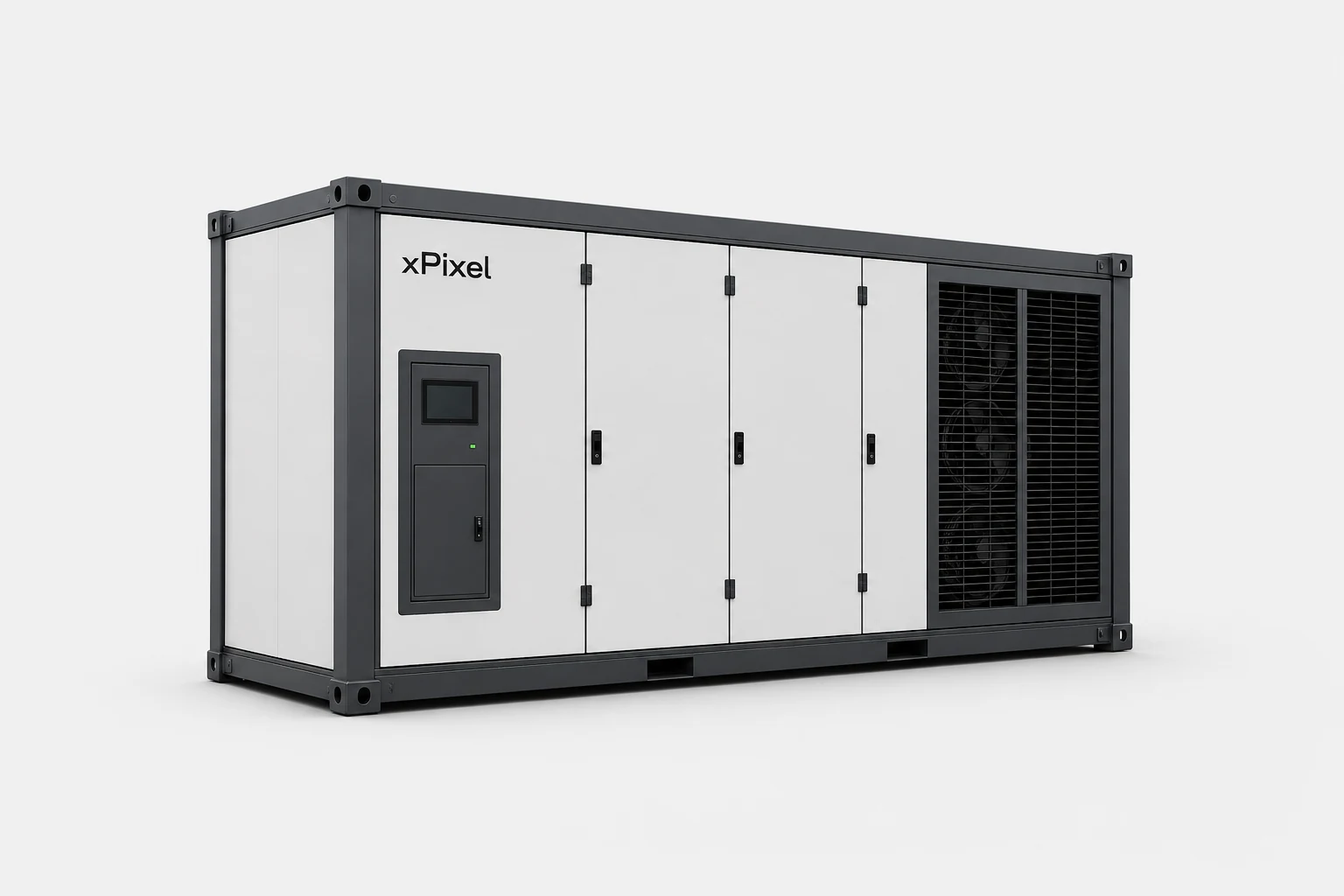
Dedicated capacity close to your operation. A starting point for private AI, industrial vision and local data processing.
Dedicated capacity
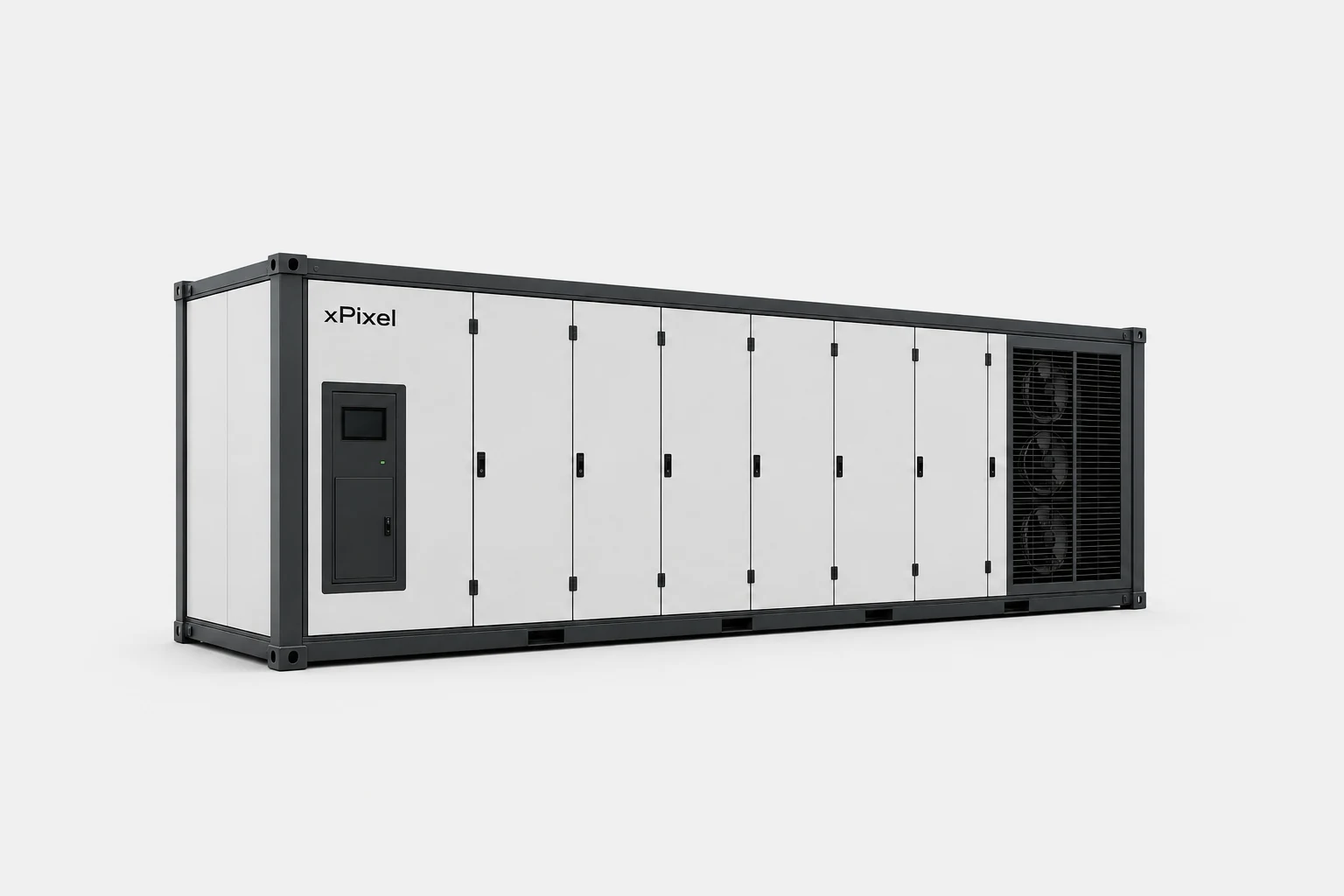
More room for compute, storage and supporting systems. For enterprises and operators with sustained demand and further phases planned.
Room for more
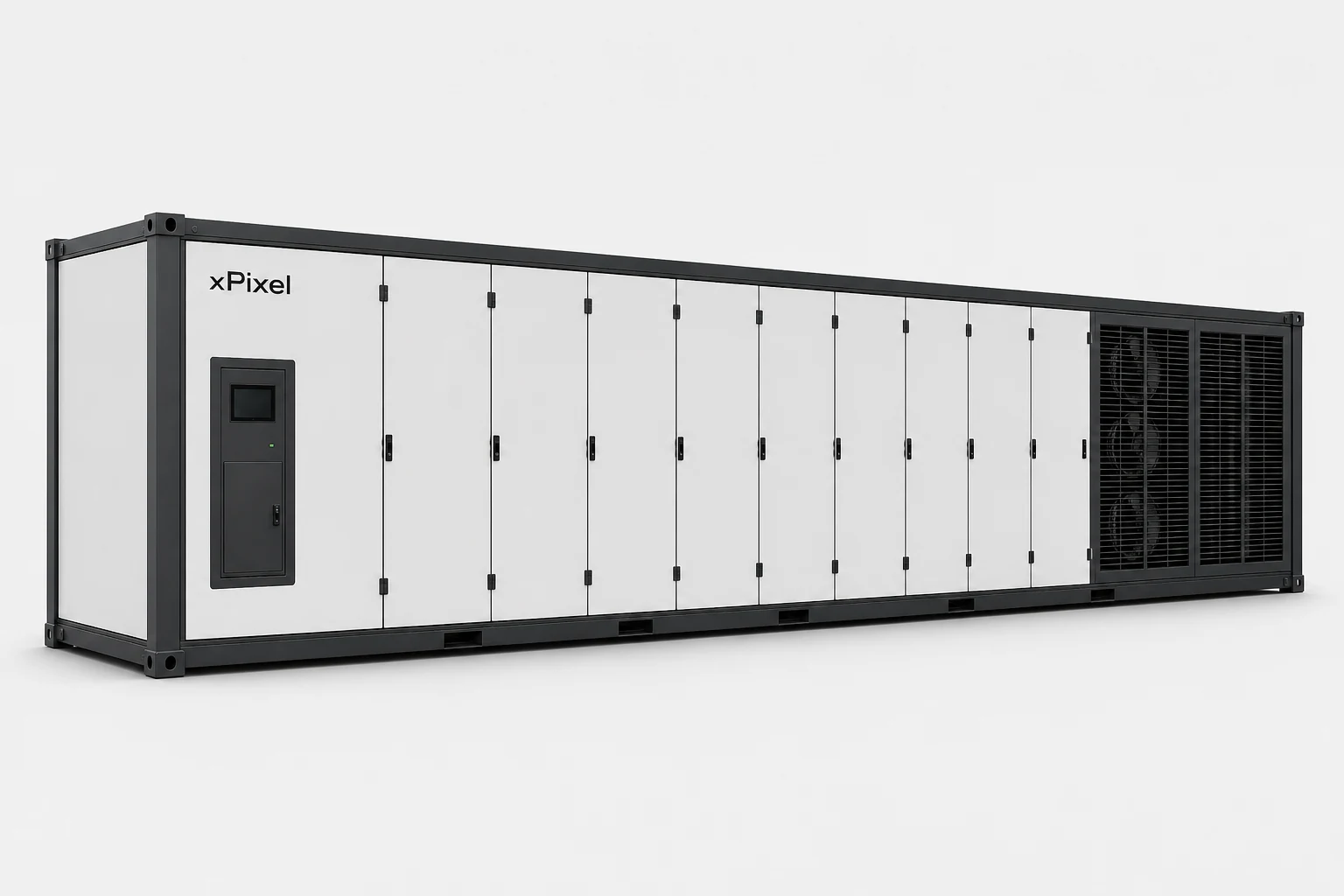
Additional integration and service space for larger projects. Equipment, transport and site requirements are assessed together.
Reference formats under development. Final configuration follows the technical assessment.
IT equipment, power backup, installation and operational services are specified in each proposal. Compatibility with an NVIDIA platform is validated against the selected system.
Assess dedicated infrastructure for demand you already understand. Define capacity, continuity and growth for the services you provide to your customers.
GPU cloud · Private AI servicesBring processing closer to your operation. Decide where your workloads run and who can access your data.
Computer vision · Local inferenceDevelop dedicated infrastructure for research, simulation and compute-intensive projects.
HPC · Research clustersPropose land and power to assess against a defined compute requirement. Participate as a site partner or energy supplier.
Renewable integration · Project developmentTell us where the asset is, your relationship to it and your intended timeline. That gives us the context to define what is worth assessing.
Propose a siteShare your application, location and target date. Add capacity if you know it. If not, we start with your requirement.
Discuss my capacity needsRenewable generation is assessed for each project. Energy supply, continuity and compute demand are considered together.
One unit. Different ways to power it. The right choice depends on whether your workload must keep running or can adapt to the energy available.
For continuous operation
Solar generation contributes when it is available. The grid covers the shortfall, with backup matched to the service. A starting point for applications that cannot wait for the sun.
Private AI · Cloud services · Real-time inferenceWith external storage
A battery stores some generation for later use. It can be housed in a separate container from a specialist supplier: an energy addition, not another ComputeCell or equipment included as standard.
Autonomy specified in hours · Planned recharge and reserveFor work that can wait
Schedule work when generation is sufficient and reduce or pause it when output falls. Suitable workloads may include rendering, batch processing and selected AI tasks that can save and resume progress.
No 24/7 service promise · Controlled stops and restartsIt can also be assessed as a flexible workload. Bitcoin typically uses specialist ASIC equipment, not the same GPU servers used for AI. It needs its own configuration and business assessment: sunshine does not guarantee profitability. Controls and safe shutdown still need power when computing stops.
Put the scale in perspective
That depends on consumption, not just whether it is an S20, M40 or L45. Compare three example loads, including servers, cooling and auxiliaries. These are not model specifications.
to generate as much energy in a year as this unit would consume running 24 hours a day.
Solar modules only. The installation needs extra space for spacing, access and equipment. This is not the site area.
Energy the battery would need to deliver for an example night. This is not its nameplate capacity or a year-round autonomy guarantee.
Solar generation stops at night and can fall short in winter or cloudy weather. These panel counts do not size an off-grid system: continuous operation needs shortfalls covered by grid supply, storage and/or backup.
| Unit power draw | 50 kW | 150 kW | 300 kW |
|---|---|---|---|
| Energy over 24 hours | 1,200 kWh | 3,600 kWh | 7,200 kWh |
| Panels · annual balance | 400 | 1,200 | 2,400 |
| Battery · 12 usable hours | 600 kWh | 1,800 kWh | 3,600 kWh |
Illustrative assumptions: 600 W panels with a 2.6 m² surface; annual-average net yield of 5 kWh per installed kWp per day (1,825 kWh/kWp per year). This is not a site simulation or 5 actual operating hours. Each panel would average around 3 kWh per day. Location, season, shading and orientation change the result; these are assessed with PVGIS and project data.
Panels = load in kW × 24 ÷ 3. Panel surface = panel count × 2.6. Usable night-time energy = load in kW × 12.
The battery must supply at least the scenario's power draw and handle transients. Its nameplate capacity will be higher to account for losses, reserve and ageing. The solar comparison excludes additional battery charging and discharging losses: extra generation and an hourly simulation of the full year are needed.
PVGIS · location-based solar estimates ↗The European framework requires energy, water and renewable indicators to be reported for data centres with at least 500 kW of installed IT power demand. It does not universally require solar co-location, containers or closed-loop cooling. Applicable permits and requirements are reviewed for each project.
Reviewed on 6 September 2026. Solar integration alone does not demonstrate regulatory compliance.If you provide land and power, we assess the site against an identified compute requirement. If you need compute, we start with your workload and continuity needs. Contractual energy availability, demand access and connectivity are assessed before sizing the infrastructure.
Buying renewable electricity, using surplus generation and running only when the sun shines are three different strategies.xPixel coordinates development and the commercial relationship. Manufacturing, integration and operations are scoped with specialists and agreed responsibilities.
We establish who needs capacity, what for and when. We assess the site, power supply and connectivity before sizing the unit.
We define format, equipment and continuity. The assessment establishes investment, GPU ownership, capacity commitments and responsibility for operations.
We coordinate engineering, manufacturing and integration with project specialists, including the agreed factory tests.
We plan transport, installation and on-site validation. Support and maintenance are defined for the operation.
Schedule, performance, responsibilities and services are specified in each project proposal.
We are currently developing the ComputeCell architecture and assessing projects. We do not offer a catalogue of GPUs ready for immediate use. If you need capacity, we can define the workload, site, equipment supply and operational scope before preparing a proposal.
Not necessarily. Both the server cooling loop and the heat rejection system must be assessed, including filling and maintenance. Cooling is specified for the project climate and workload; we do not publish water consumption figures without validating the complete configuration.
It is a modular data centre unit designed to integrate compute, dedicated cooling, power distribution, networking and control. Each proposal specifies the IT equipment, protection, backup and services included. You can bring your servers or discuss supplying them as part of the project.
The base architecture incorporates thermal management and heat rejection into the cell itself. Each ComputeCell is sized for its workload and the site's climate. Self-contained means independent of the other units: it still needs power, a data connection and maintenance.
Yes. Options include continuous operation with solar, grid and backup, external storage for hours without sun, or flexible operation that adapts work to generation. The choice depends on the service, permits and site. Generating as much energy as you consume over a year does not guarantee supply every hour.
That depends on the unit's total consumption and the site, not just its container format. The energy comparison shows illustrative loads of 50, 150 and 300 kW with explicit assumptions, not model specifications. A night-time battery is an external system: it is sized for usable energy, power, autonomy hours, losses and reserve, together with the generation needed to recharge it.
By adding ComputeCells with independent connections to the site. Each unit keeps its own cooling and control systems. Site power distribution and networking are planned for the expected growth, with provision to isolate individual units.
The platform is selected for the workload: inference, fine-tuning, scientific computing or GPU cloud services. We validate dimensions, power, cooling and networking against the specific equipment. Compatibility and performance are confirmed for the agreed platform and configuration.
Start by sharing your objective, location and workload. We use that information to define the assessment and proposal scope. Cost and schedule depend on equipment, continuity requirements, logistics and site conditions.
Tell us what you want to build. We’ll help you define the next step.
We can start with your objective. We’ll work through the technical details together.
Email us with your site or the capacity you need and your target dates. The button opens your email application; the enquiry is sent only when you send the email from there.
Prepare emaillegal@nomad.ooo · privacy policy